
(D’)Après Monet
2020
installation vidéo
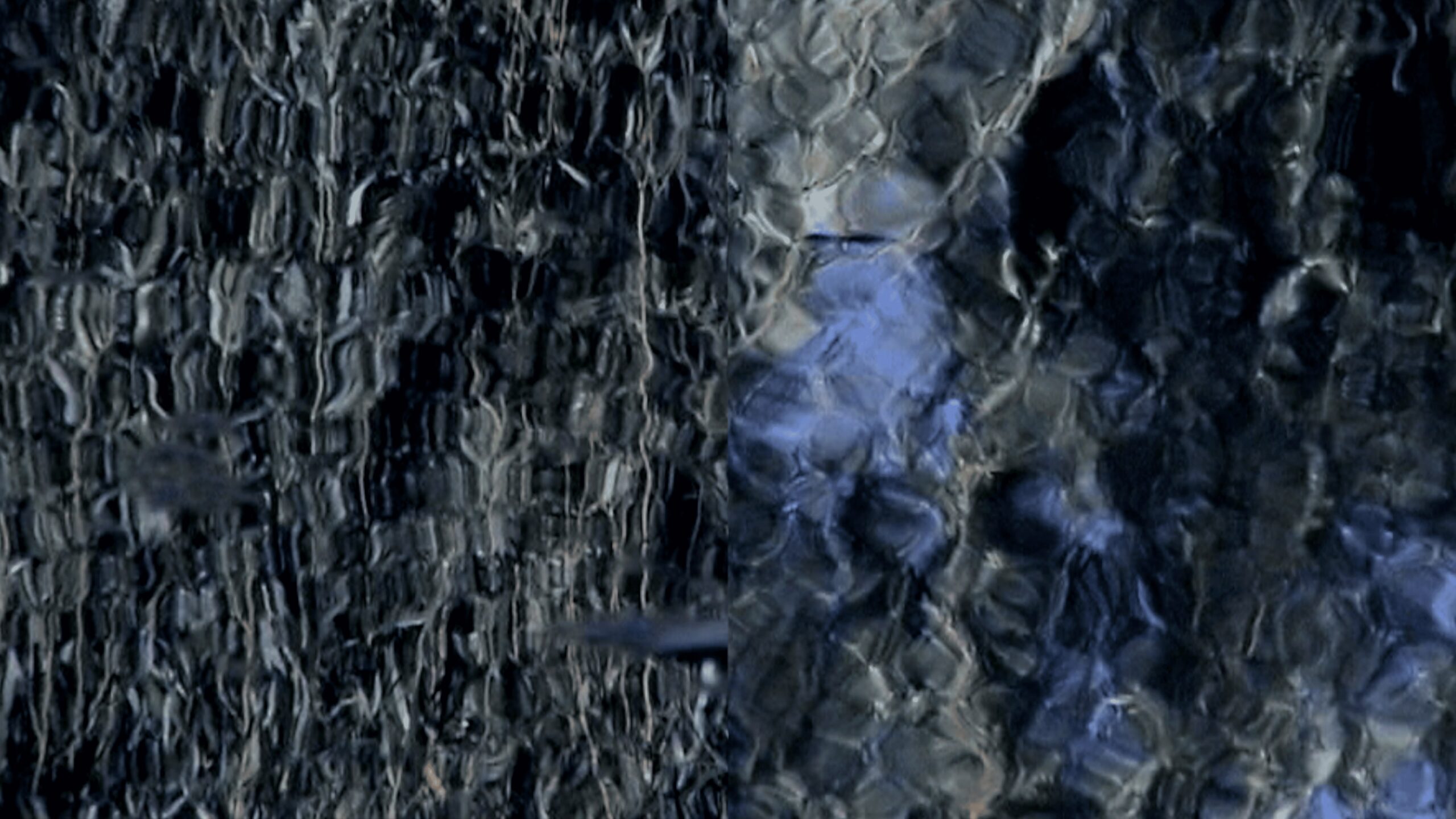
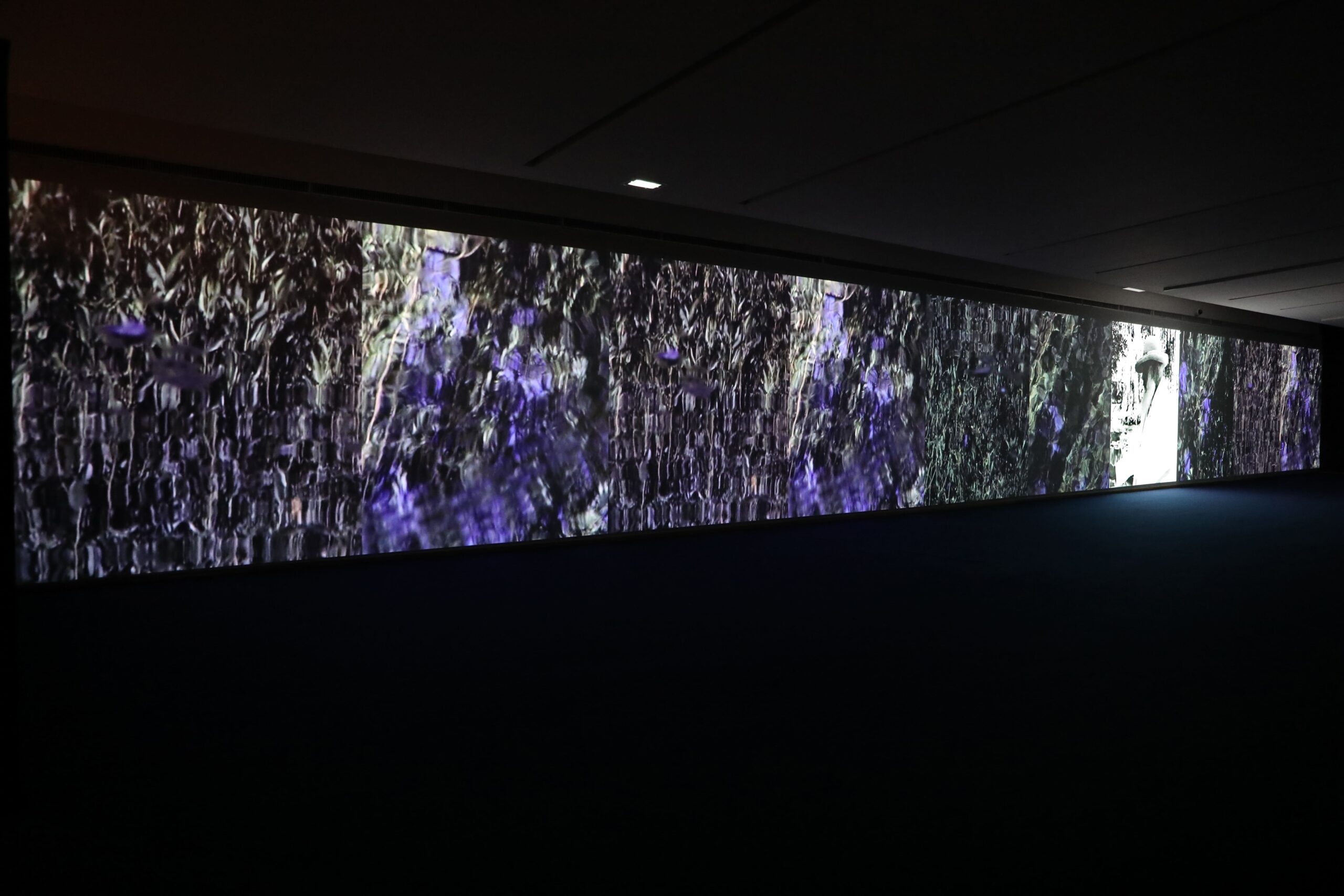
Invited by Cécile Debray, then director of the Musée de l’Orangerie, as part of a contemporary counterpoint to Claude Monet’s Nymphéas, Ange Leccia immerses himself in what may be considered the painter’s absolute masterpiece: the artist’s garden at Giverny. Taking advantage of an evening and the very early hours of the morning, when the site is closed to the public, the video artist absorbs Monet’s environment. Alone, enclosed within the Impressionist’s bubble, Ange Leccia films relentlessly every corner of the garden, as if seeking to capture its very essence. Once again, the work resonates as an ode to the vegetal world and evokes his apprenticeship in Shinto culture.
After observing the great Nymphéas at the Orangerie, he casts a “filmic gaze” upon the garden: inspired by cinematic techniques, the work unfolds like a narrative. Just as the viewer must move in order to fully appreciate Monet’s paintings, Ange Leccia’s camera also wanders through the spaces, following a path that takes the form of a philosophical—almost spiritual—journey. Indeed, it begins in the most distant part of the garden and gradually moves closer, eventually reaching the painter’s house. Little by little, the artist, like the viewer, enters Monet’s work and appropriates the site, transforming it into a dreamlike, reassuring, almost familiar space.
Yet despite the apparent lightness of this video installation, Ange Leccia also seeks to reveal an Eden created at a time when Europe was undergoing profound geopolitical upheaval. While, on the other side of the Seine, trains departed for and returned from the front during the First World War, Claude Monet was constructing a space that functioned as a refuge. Amid the turmoil, the artist continued to create, to paint. For Ange Leccia, this idea of creation within a context of destruction resonates as a sign of hope—one that remains deeply meaningful in today’s world.


